Fall 2026 complexion edit
Skin tints for fall 2026 fit the season’s move toward quick, real-skin makeup: enough color to soften unevenness, but light enough to let freckles and natural texture show. The smartest choice is not simply the sheerest bottle—it is the shade, undertone, finish, and wear style that match your routine.
Why skin tints are timely this fall
Fall complexion makeup is loosening up. Instead of covering every bit of natural variation, a skin tint can create a more even canvas for softly defined brows, brown mascara, cream blush, and muted lips. It also makes sense for streamlined routines: many current formulas sit between makeup and skincare in texture, though they should still be chosen as complexion products rather than as treatment.
If you want a different format, compare our fall cushion foundation guide. For extra smoothness without adding coverage, see these blurring primers.

How to choose a skin tint without guessing
Match depth and undertone
Shade labels are a starting point, not a guarantee. Compare swatches in indirect daylight and check whether your undertone leans cool, warm, neutral, or olive.
Read the finish language
Dewy and radiant formulas reflect more light; natural and satin finishes usually look less glossy; semi-matte options can help if you prefer less shine.
Decide how much coverage you need
Sheer coverage softens contrast but will not replace concealer. For under-eyes or isolated spots, pair a thin tint layer with one of these targeted concealers.
Treat SPF as label-directed
If a tint lists sunscreen, use the labeled amount and reapply as directed. A cosmetic layer applied too sparingly may not deliver the stated protection.
8 skin tints for fall 2026
These eight current Amazon listings cover a range of textures, finishes, shade depths, and price tiers. Product titles below name the exact shade or bundle so you can compare accurately. Prices, stock, and seller details can change, so check the live listing before ordering.
PICK 01
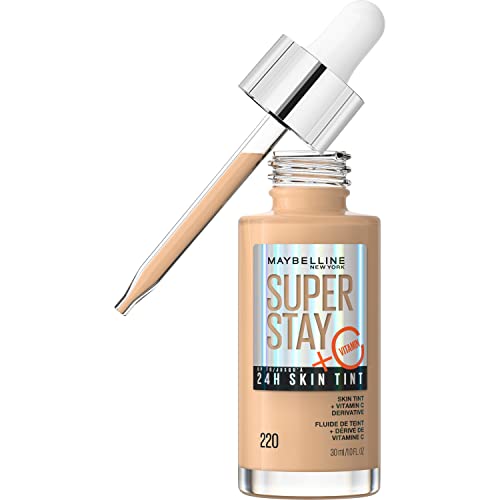
1. Maybelline Super Stay Up to 24HR Skin Tint — Shade 220
Best for longer-wear, light-to-medium coverage
A radiant skin tint format with vitamin C and a buildable finish. Shade 220 is the exact variant pictured and linked; compare it with your jawline and undertone before ordering.
Shop on AmazonASIN: B0BZQM44F7
PICK 02
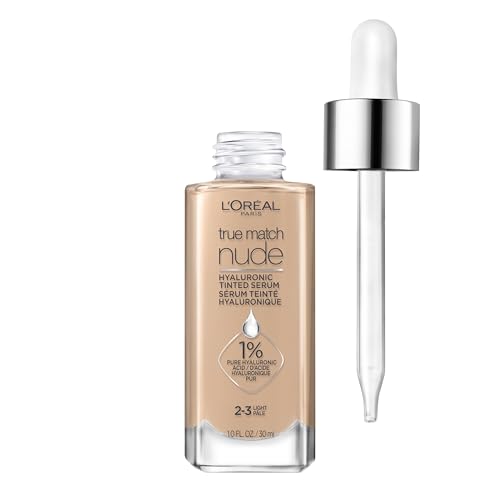
2. L’Oréal Paris True Match Nude Tinted Serum — Light 2–3
Best for a fluid, radiant serum texture
This lightweight tinted serum pairs sheer-looking pigment with a luminous finish. The selected Amazon listing is the Light 2–3 shade.
Shop on AmazonASIN: B091D8BXSQ
PICK 03
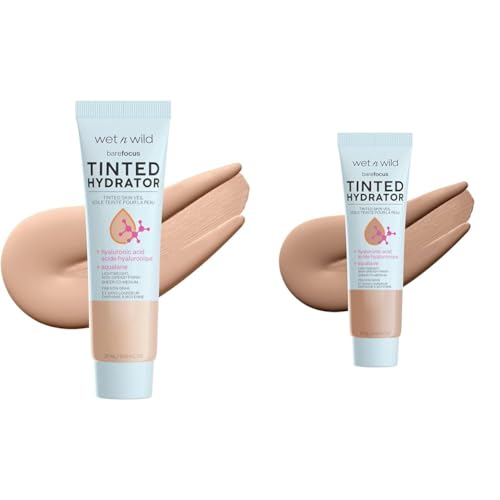
3. wet n wild Bare Focus Tinted Hydrator Bundle — Light + Tan Medium Deep
Best for comparing two depths or sharing
The current listing is a two-shade bundle, not a single tube. It combines Light and Tan Medium Deep in the brand’s sheer-to-medium, natural-finish hydrator format.
Shop on AmazonASIN: B0D2VVVZGT
PICK 04
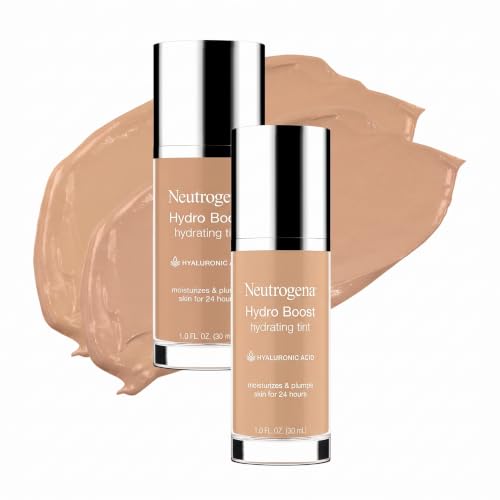
4. Neutrogena Hydro Boost Hydrating Tint — Nude 40, Pack of 2
Best for a fresh water-gel feel
A lightweight, oil-free tint with hyaluronic acid and a natural-looking finish. This exact listing is Nude 40 in a two-pack.
Shop on AmazonASIN: B0CJMG8MMZ
PICK 05
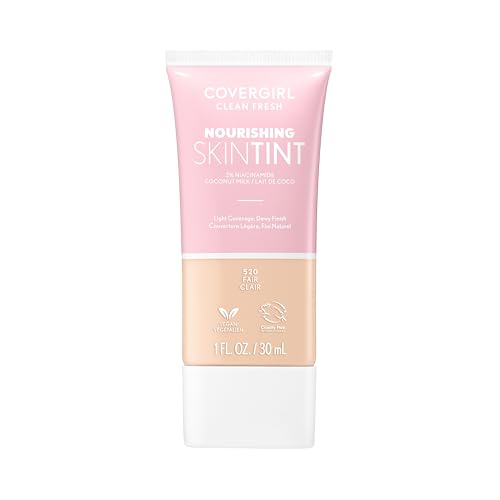
5. COVERGIRL Clean Fresh Skin Milk — Fair
Best for sheer, dewy everyday makeup
A skin-milk texture designed for lightweight coverage and a fresh finish. The linked option is Fair; packaging may vary on the listing.
Shop on AmazonASIN: B07YX7DQM7
PICK 06
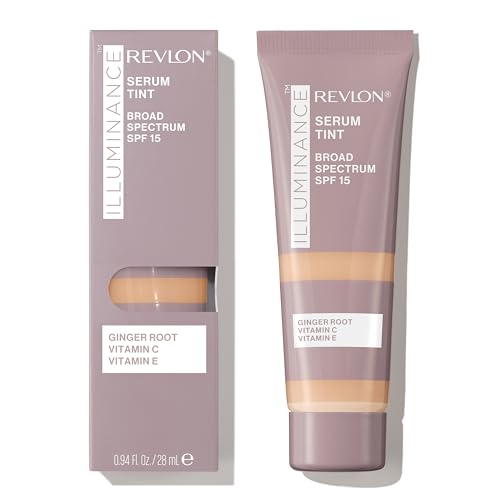
6. Revlon Illuminance Serum Tint — 317 Tan Sand
Best for a satin, serum-like finish
This tinted serum offers light, buildable coverage in a fluid format. The exact pictured and linked variant is 317 Tan Sand.
Shop on AmazonASIN: B0CKJV96NB
PICK 07
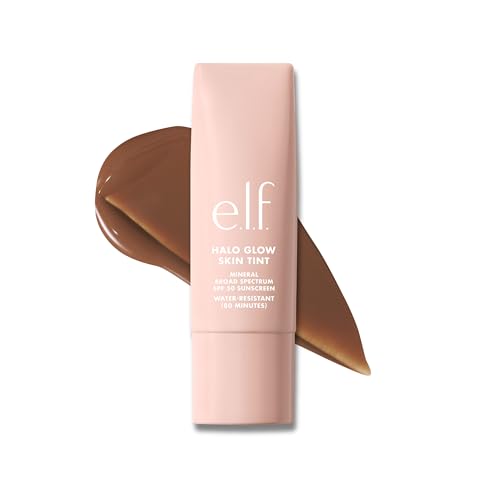
7. e.l.f. Halo Glow Skin Tint SPF 50 — 13 Deep Neutral
Best for dewy coverage plus labeled mineral SPF
A hydrating, buildable skin tint with zinc oxide and a dewy finish. The selected shade is 13 Deep Neutral; follow the label for sunscreen use.
Shop on AmazonASIN: B0F2XGK7X2
PICK 08
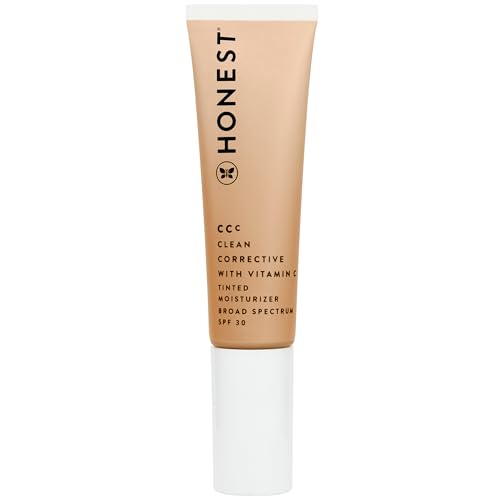
8. Honest Beauty CCC Tinted Moisturizer SPF 30 — Alabaster Fair Light
Best for a mineral-SPF makeup hybrid
A tinted moisturizer that combines complexion color with mineral SPF 30. This exact listing is Alabaster Fair Light; use the labeled amount and reapply as directed for sun protection.
Shop on AmazonASIN: B0CBVY5FRH
A simple skin-tint application routine
- Prep lightly. Apply your usual skincare and sunscreen, then let the layers settle. Very rich or slippery bases can make sheer pigment move.
- Start in the center. Dot a small amount around the nose, cheeks, and chin, then blend outward with clean fingers, a brush, or a damp sponge.
- Build only where needed. Add a second thin layer rather than one heavy coat. Keep coverage lighter around smile lines and textured areas.
- Conceal precisely. Tap concealer only under the eyes or onto individual spots so the rest of the complexion remains fresh.
- Set strategically. If shine develops, powder the T-zone and leave the high points of the face unpowdered for dimension.
Skin tint FAQs
What is the difference between a skin tint and foundation?
A skin tint usually prioritizes light coverage, fast blending, and a natural finish. Traditional foundation spans a wider coverage range and may offer more control over opacity and wear.
Can a skin tint cover redness or dark spots?
It can soften mild unevenness, but sheer formulas will not fully conceal every mark. Use a small amount of concealer on areas that need more opacity.
Do I need primer under a skin tint?
Not always. If makeup tends to separate, choose primer only where it helps—hydrating on dry patches or smoothing through areas with visible texture.
Should I apply skin tint with fingers, a brush, or a sponge?
Fingers are quick and preserve coverage, a brush gives more polish, and a damp sponge creates the sheerest result. The best tool is the one that blends the formula evenly for you.
Does a skin tint with SPF replace sunscreen?
Use the product exactly as its sunscreen label directs. Because many people apply makeup more sparingly than sunscreen, a separate broad-spectrum sunscreen can make it easier to use an adequate, even layer.
Choose the finish before the hype
The best skin tint for fall is the one that fits your undertone, preferred finish, and actual coverage needs. Start with a small amount, build in thin layers, and keep concealer local. That approach preserves the real-skin quality that makes this trend feel modern in the first place.