Fall 2026 • Makeup • A softer-looking base
Blurring primers for fall 2026 are a practical way to explore soft-focus makeup without replacing your foundation. The idea is not to erase every pore or make skin look flat. It is to use a small amount of the right base where you want a smoother-looking finish, then keep the layers above it light.
The timing fits the current cashmere-makeup conversation. Who What Wear’s October 11, 2026 trend report describes a velvety, diffused complexion with restrained shine. Our Amazon edit focuses on one part of that look: the primer underneath, rather than a whole new makeup collection.
As an Amazon Associate, My Trusty Pal earns from qualifying purchases.
How to choose blurring primers for fall 2026
Separate smoothing, mattifying and color correction
These are related but different goals. A smoothing primer is designed to change how makeup sits and looks; a mattifying primer emphasizes a less-shiny finish; a green-tinted base adds color correction. Decide what you want to change before choosing a product that promises several things at once.
Think in zones, not compulsory layers
Your nose and the center of your forehead may need a different finish from your cheeks. You can apply a primer selectively instead of coating your entire face. If you already like how your foundation looks, there is no rule that you must add a primer for fall.
A useful expectation: “Blurring” is a temporary cosmetic effect. A primer does not permanently shrink pores, remove texture or treat a skin condition. Real skin will still show texture in natural light—and that is normal.
8 Amazon primer picks: classic smoothing and matte formats
All eight product identities and images were matched to current Amazon listings on October 16, 2026. This is a research-based comparison, not a claim of personal testing or a wear-time ranking. Changing prices, ratings, discounts and sales counts are intentionally omitted. Choose one suitable option; you do not need to layer the lineup.
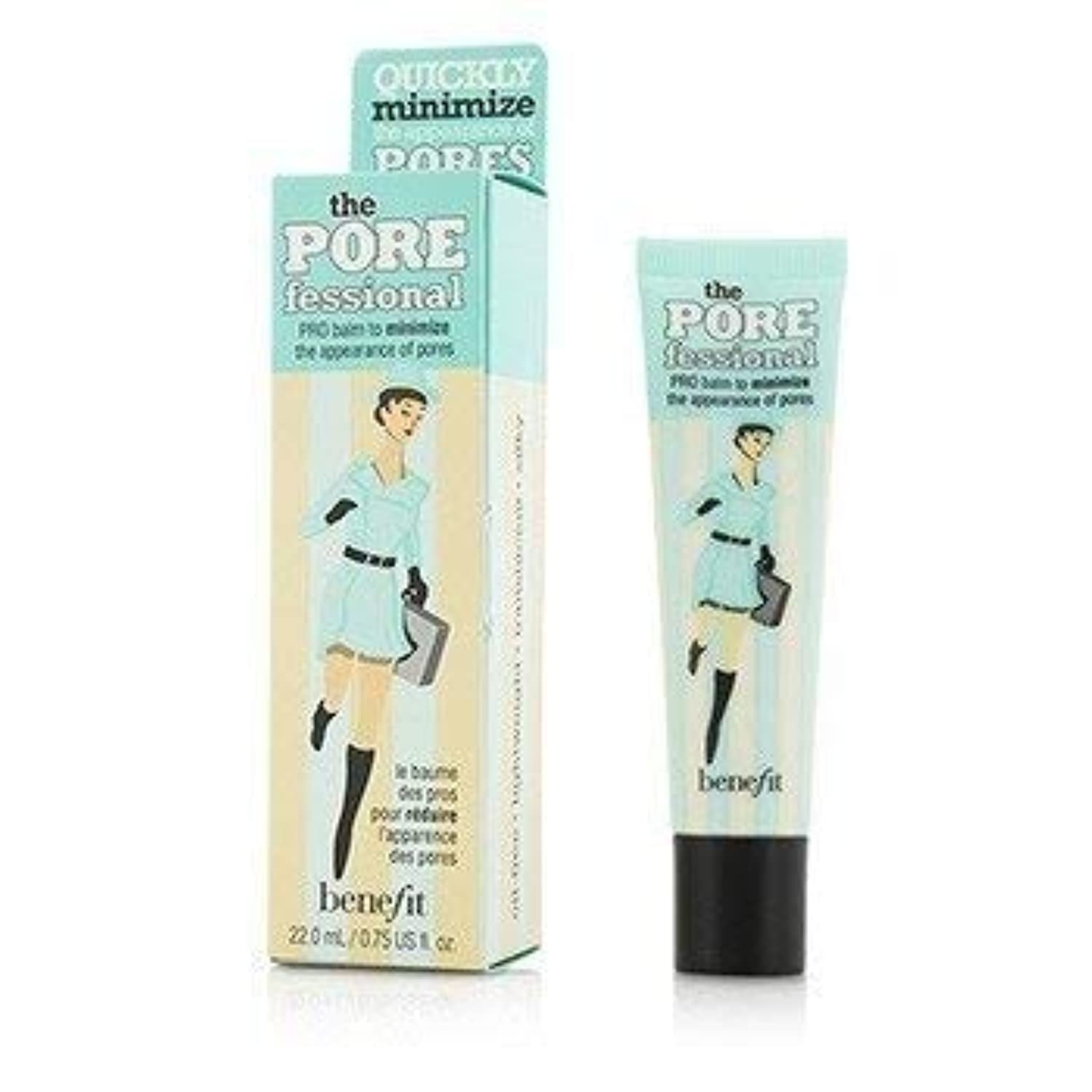
1. Benefit The POREfessional Pro Balm Face Primer
0.75 oz
Best for: A classic balm-style blurring base.
The verified listing is the Pro Balm face primer, not a setting spray from the same range. Consider it when you want a dedicated smoothing step beneath foundation.
Keep in mind: Start on the areas you want to blur rather than automatically covering your whole face.
Shop on Amazon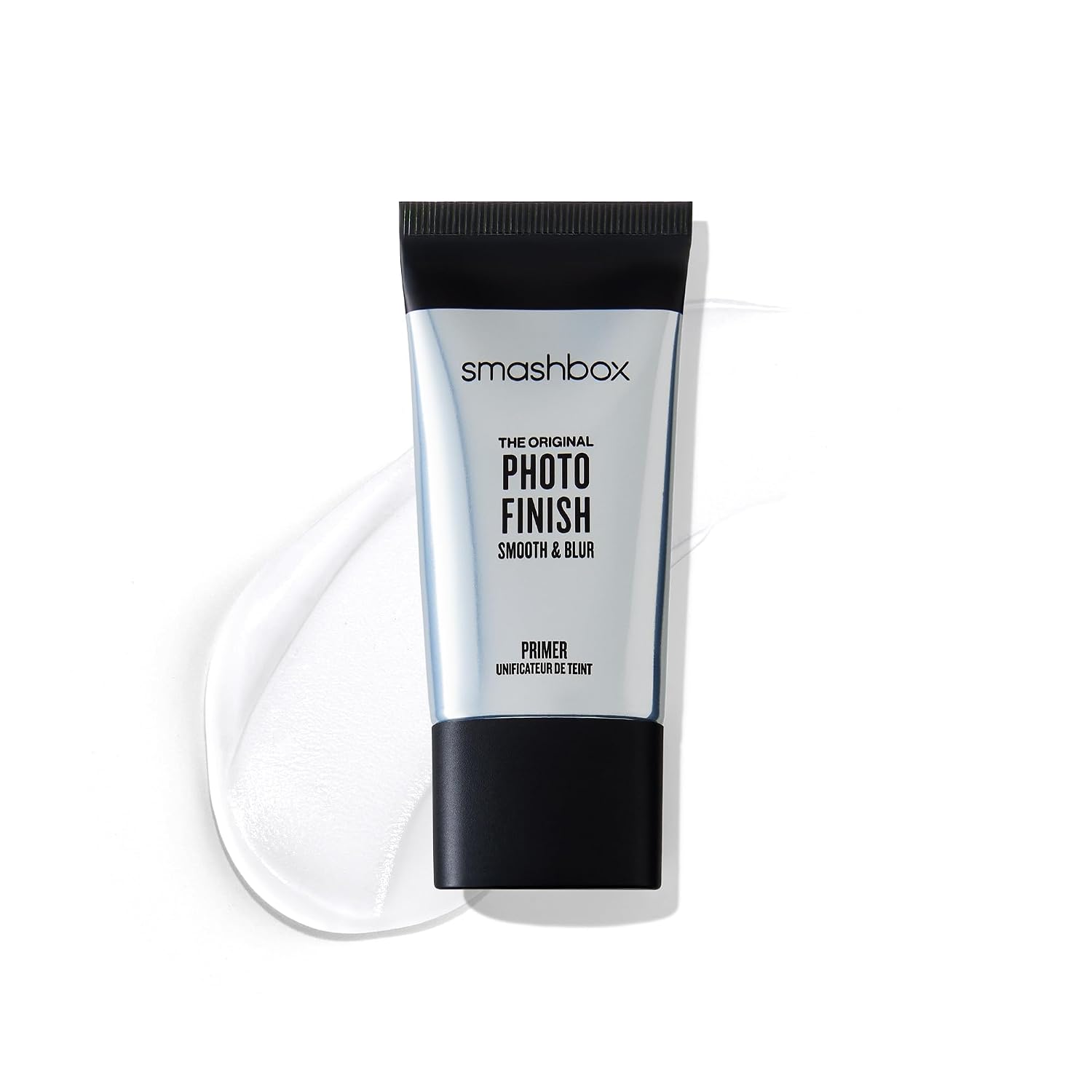
2. Smashbox Photo Finish Smooth & Blur Primer
0.34 fl oz travel size
Best for: Trying a smoothing primer in a smaller tube.
This Photo Finish listing is the travel-size Smooth & Blur version. It is a useful smaller commitment if you are comparing the feel of a blurring base with your current makeup.
Keep in mind: It is not the full-size tube or the hydrating Primerizer formula; check the selected variant.
Shop on Amazon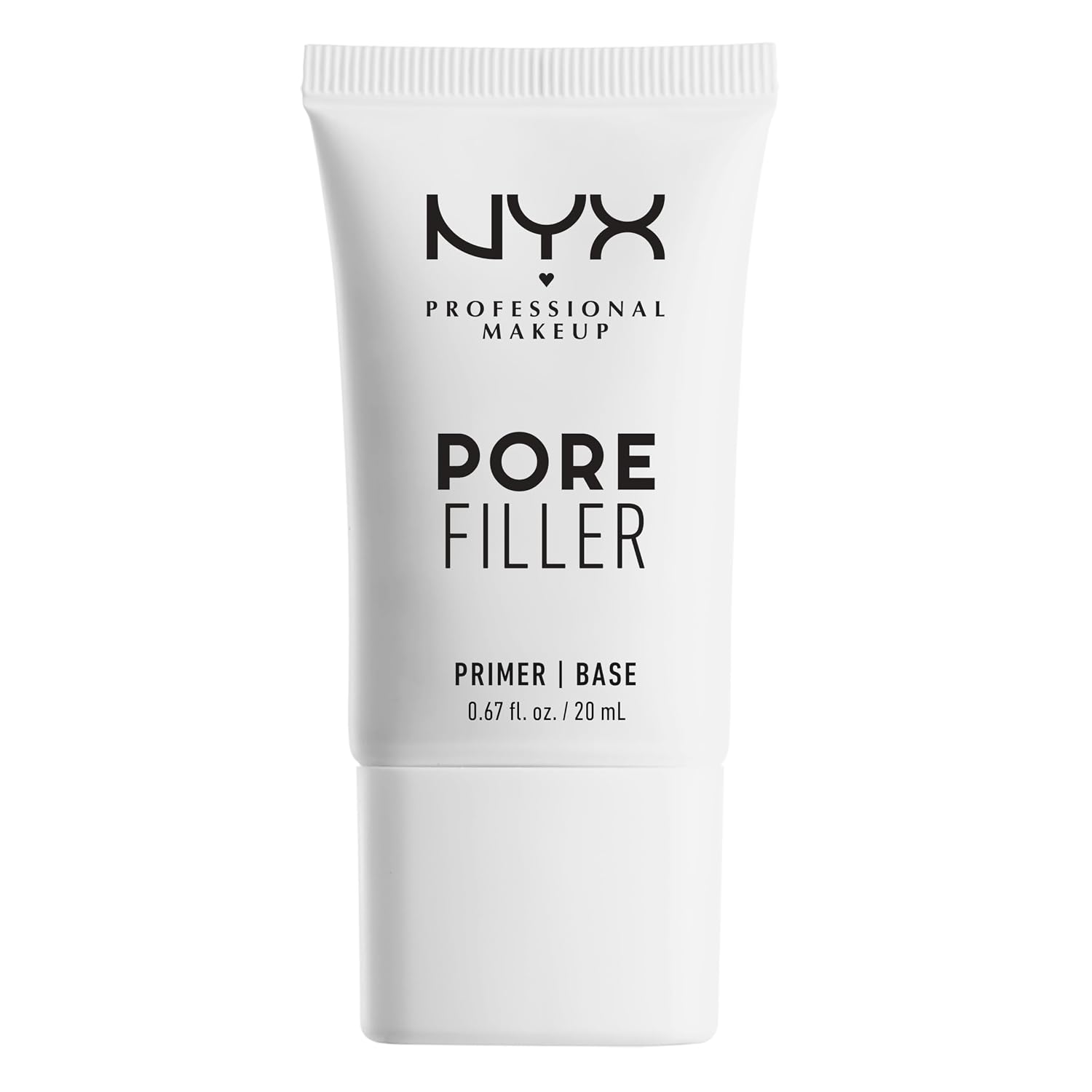
3. NYX Professional Makeup Pore Filler Blurring Primer
20 ml
Best for: A tube-format silicone-blend primer.
The listing identifies a lightweight silicone-blend formula with a blurring finish. This is the conventional tube option, distinct from the targeted NYX stick later in the guide.
Keep in mind: Compare a thin layer with your usual foundation before adding extra powder.
Shop on Amazon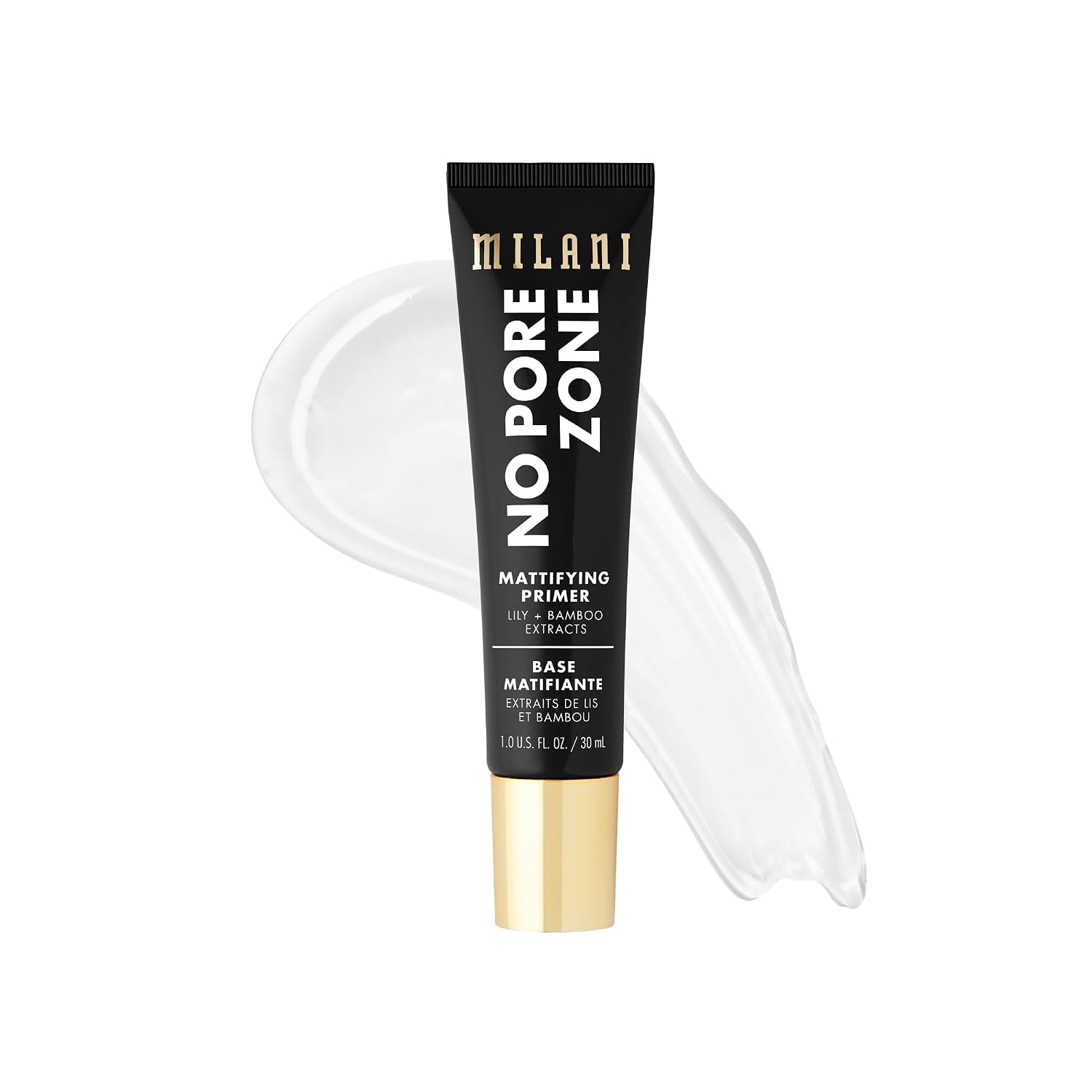
4. Milani No Pore Zone Mattifying Primer
1 fl oz
Best for: A deliberately matte-leaning base.
No Pore Zone is positioned around mattifying and blurring. It is worth considering if your main goal is reducing the look of shine in selected areas rather than adding an all-over glow.
Keep in mind: Leave comfortable, less-shiny areas alone if they do not need a mattifying step.
Shop on Amazon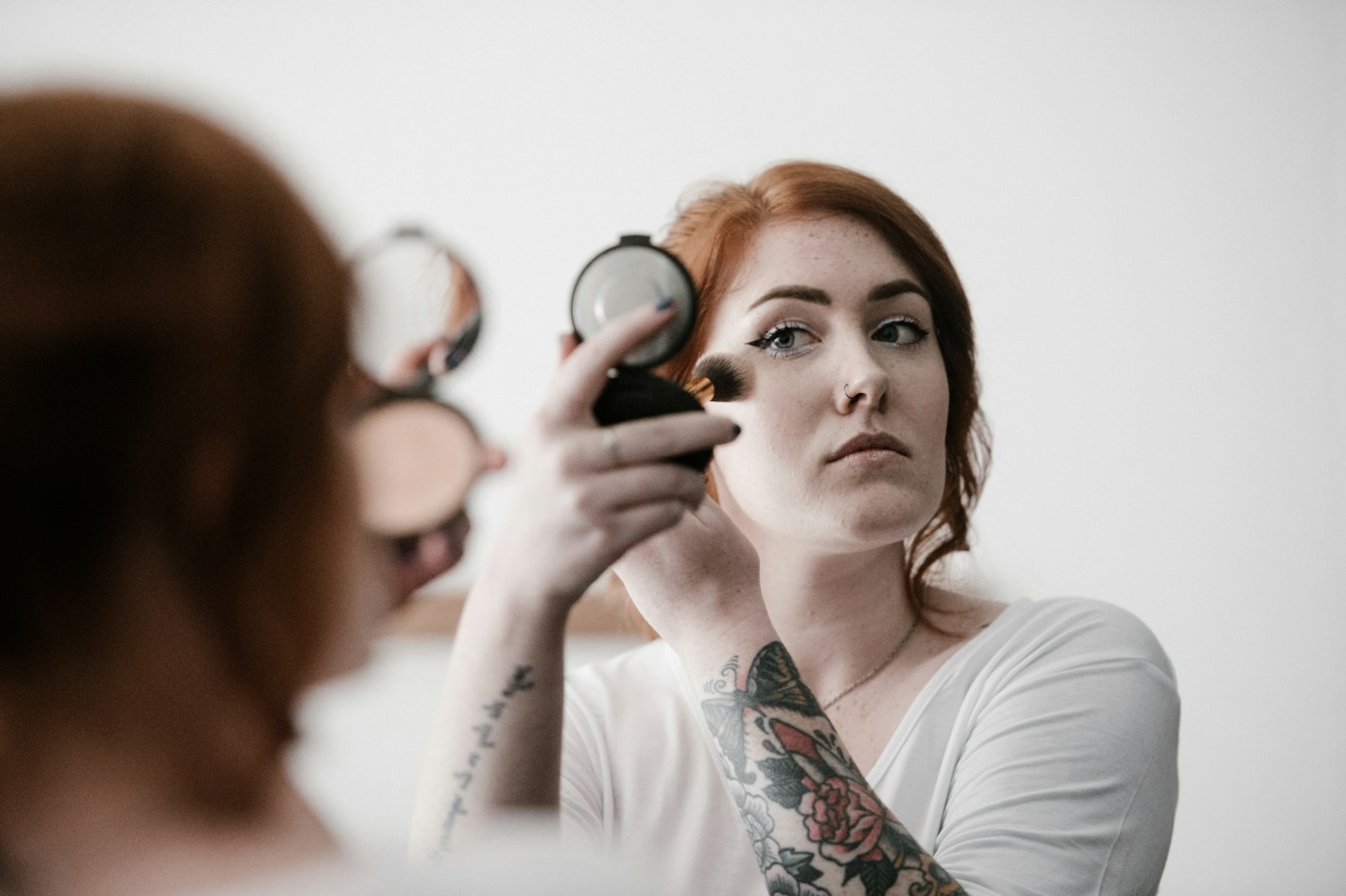
Four more options: green tints, targeted placement and ingredient-led prep
The next picks show why product names alone are not enough. A green correcting base, a targeted stick and an ingredient-led tube all need different shopping questions, even when they sit in the same primer category.
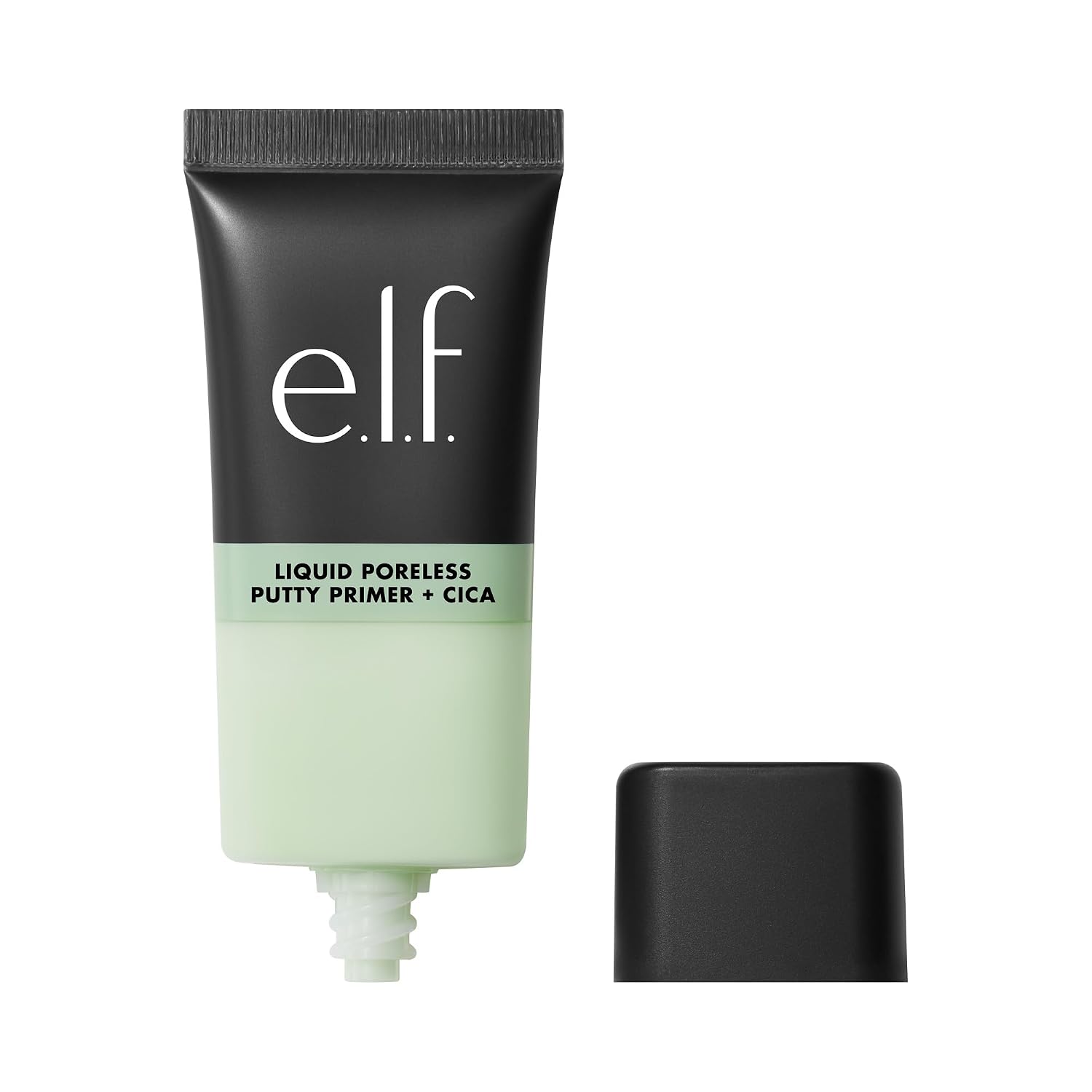
5. e.l.f. Liquid Poreless Putty Primer + Cica
Liquid + Cica variant
Best for: A liquid primer with a sheer green tint.
This is the Cica version of Liquid Poreless Putty, with smoothing and makeup-gripping positioning. Its sheer green hue makes it a different choice from an untinted blurring base.
Keep in mind: Test how the tint looks with your foundation; do not assume green primer is necessary for everyone.
Shop on Amazon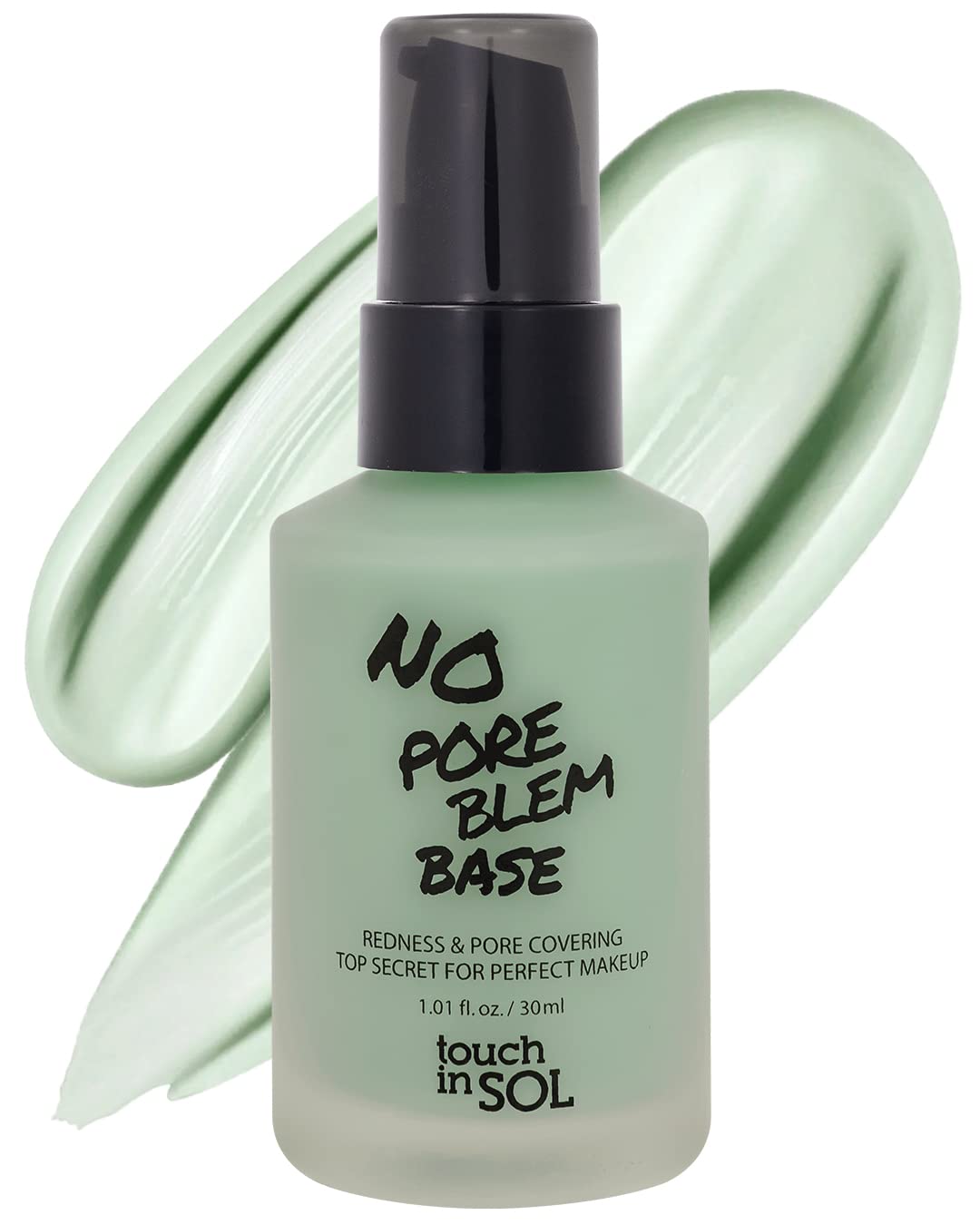
6. TOUCH IN SOL Redness Correcting Base Primer
1.01 fl oz
Best for: Combining green color correction with base prep.
The verified product is the green-toned Redness Correcting Base, not the original pink No Pore Blem primer. It offers a color-correcting alternative within a pore-minimizing makeup category.
Keep in mind: Treat the color correction as a cosmetic effect, not a treatment for redness or a skin condition.
Shop on Amazon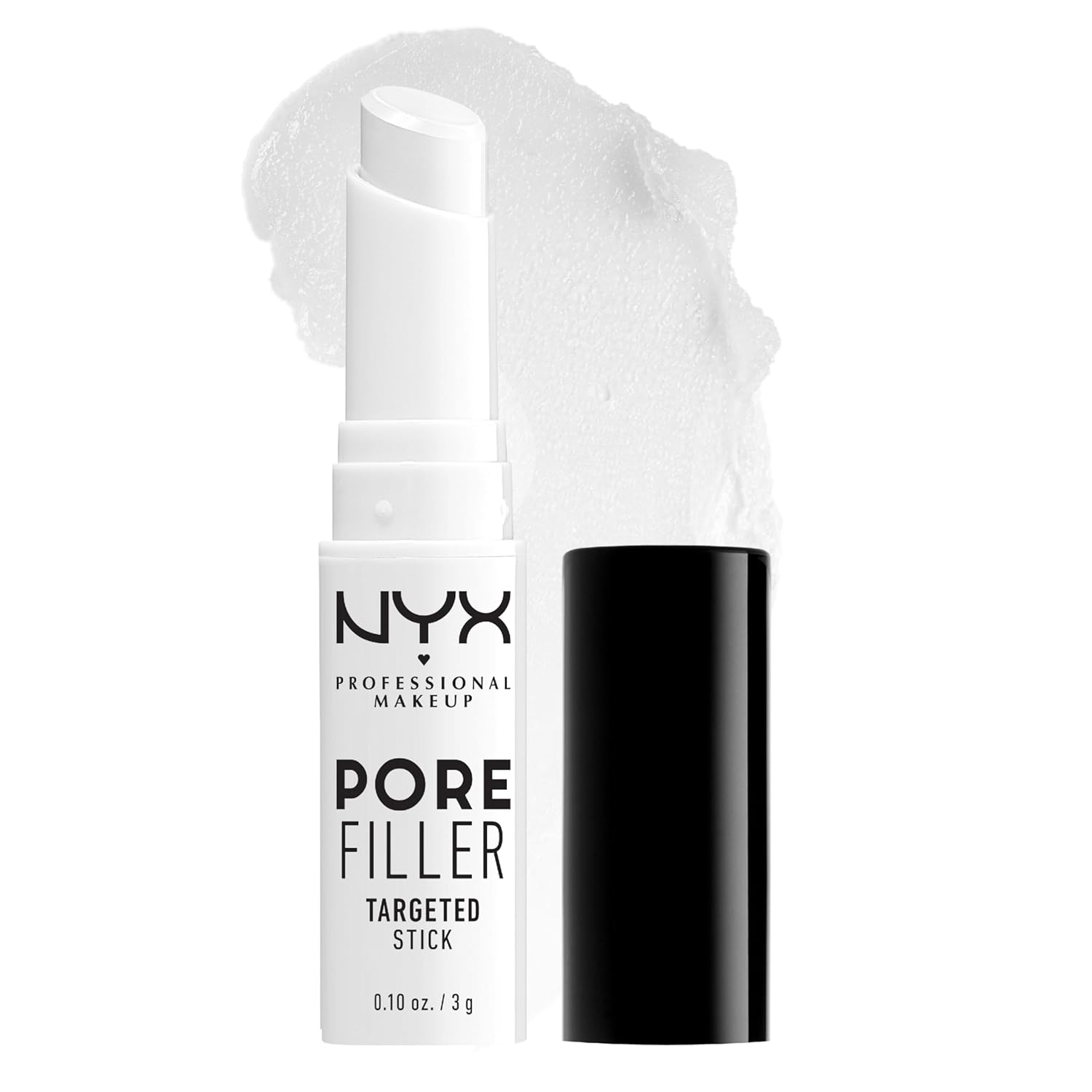
7. NYX Professional Makeup Pore Filler Targeted Primer Stick
Targeted stick format
Best for: Small-area application.
The stick format provides a different way to place a blurring primer precisely. Choose it for the application style—not because a stick must perform better than a tube.
Keep in mind: Use clean hands and keep the applicator clean; avoid repeatedly layering over the same spot.
Shop on Amazon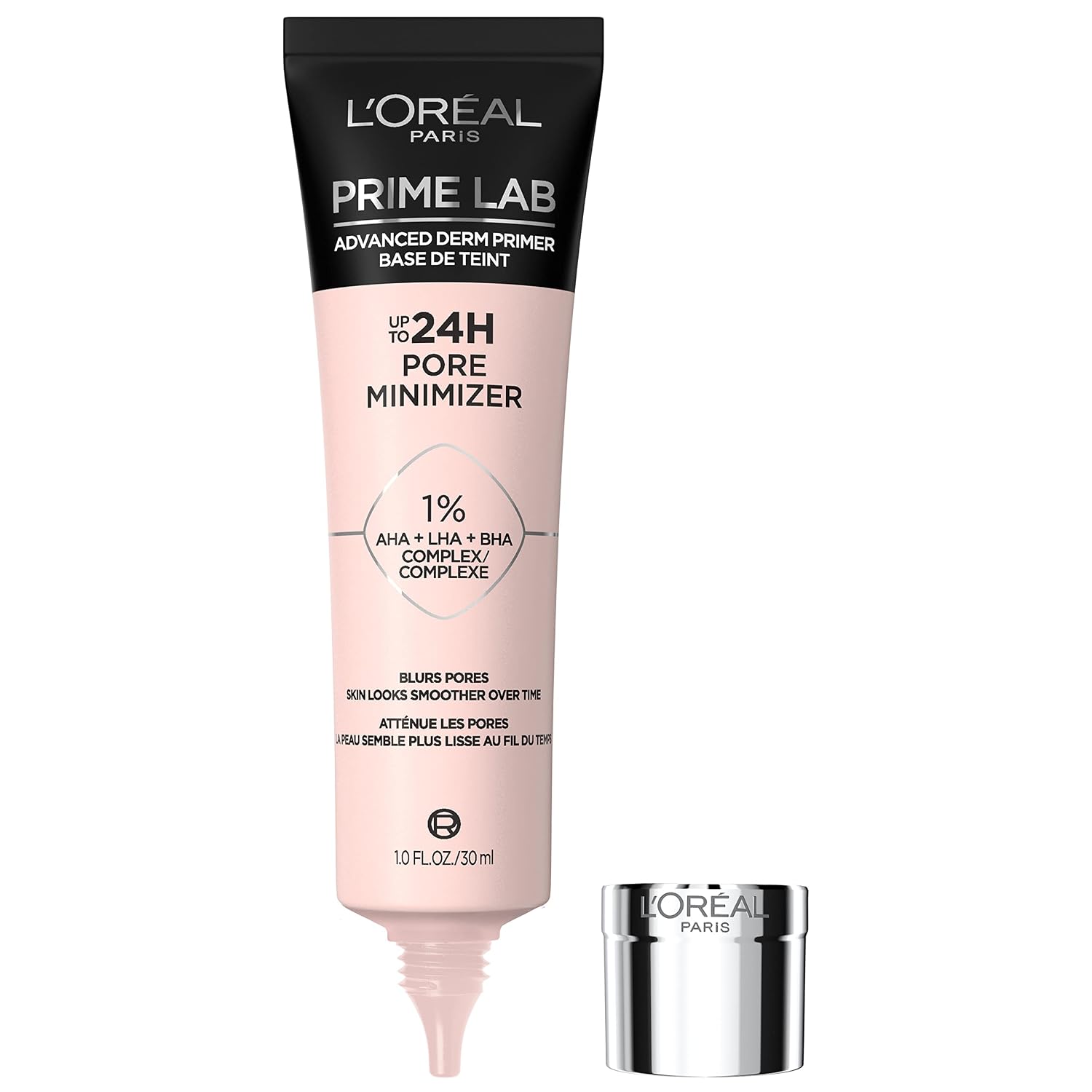
8. L’Oréal Paris Prime Lab Pore Minimizer Primer
1.01 fl oz
Best for: A pore-focused primer with an ingredient-led formula.
Prime Lab’s listing highlights an AHA, LHA and BHA complex alongside its makeup-primer role. It is a distinct formula choice rather than simply another untinted smoothing tube.
Keep in mind: Check the current ingredients and label directions; do not choose it solely because more ingredients sound better.
Shop on AmazonA simple soft-focus base routine
- Finish your usual skin prep first. Use the skincare and daytime sunscreen appropriate to your routine. Let each layer settle according to its directions rather than immediately mixing everything together. Primer is a makeup step, not a reason to skip sunscreen.
- Apply a small, targeted amount. Follow the primer’s label and begin where you want the effect. Use light pressure. If you are trying a green formula, assess the color in daylight before putting it everywhere.
- Give the base a moment, then add foundation lightly. Follow any setting time specified by the primer. Press or gently blend foundation over it instead of repeatedly scrubbing the same area. Build coverage only where you want it.
- Set selectively and stop when the finish looks right. You may want a little powder in shiny areas, but a soft-focus look does not require a heavy all-over layer. A finishing spray serves another role; our fall setting-spray guide explains the options without treating them as interchangeable with primer.
If your primer and foundation do not get along
Rolling or little flakes during application can have several causes, including the amount of product, unsettled layers and repeated rubbing. Do not immediately add another primer to fix it. Try a simpler combination and change one variable at a time so you can see what helps.
Likewise, matching products only by a “water-based” or “silicone-based” label is not a guarantee of compatibility. Judge the actual combination on your skin. Test a small section before committing to a full face, and do not assume a more expensive formula must work better with your foundation.
For an evening reset, our cleansing-balm guide covers a separate part of the routine: taking makeup off without turning removal into vigorous scrubbing.
Blurring-primer FAQs
Is blurring primer the same as a gripping primer?
No. Blurring describes a smoother-looking cosmetic finish; gripping describes a tackier base intended to help makeup adhere. Some formulas combine these ideas, but they are not synonyms. Choose for the finish and application feel you prefer, then check how it works with your usual makeup.
Can I wear one without foundation?
Some primers can be worn alone; follow the specific product directions. Check the result in natural light, especially with a tinted formula. It is fine to stop at a subtle finish rather than add foundation simply because you applied a primer.
Do I need green primer for a soft-focus look?
No. Green is a color-correction choice, not the defining feature of soft-focus makeup. The e.l.f. + Cica and TOUCH IN SOL picks here are clearly identified so you can compare them with the untinted options instead of accidentally buying the wrong version.
Should dry-feeling areas get a mattifying primer?
Not automatically. You can leave those areas unprimed, keep your usual moisturizer, or look for a different finish. More matte product is not always the answer to visible texture. Start with a restrained application and assess comfort as well as appearance.
The takeaway: pick the effect, then keep it light
The most useful blurring primers for fall 2026 are the ones that fill a specific gap in your routine: a softer-looking T-zone, a smaller travel tube, targeted stick placement or a carefully chosen correcting tint. Choose one, follow its directions, and build a light base around it. The goal is softly finished makeup—not a face without texture.
Trend context: Who What Wear’s cashmere-makeup report (October 11, 2026). Amazon listings and product images checked October 16, 2026; details may change. Featured primer-packaging photograph: Harper Sunday / Unsplash, illustrative and not one of the eight product recommendations. Body photograph: Annie Spratt / Unsplash.