Peptide hair treatments are one of winter 2026’s fastest-rising beauty searches—and the trend is broader than a single miracle bottle. Today’s options range from weightless scalp serums to a leave-in mask for stressed lengths. The useful question is not which product makes the loudest promise; it is which format fits your routine, hair texture and actual goal.
This guide compares eight current Amazon options with verified product identities. Seven are leave-on scalp serums and one is a peptide repair mask for damaged lengths. None is a substitute for medical care, and cosmetic products cannot diagnose or treat the cause of sudden or significant shedding.
Why peptide hair treatments are trending now
Peptide hair serum search interest surged in 2026, while scalp-serum and general hair-serum searches also climbed, according to the Spate 2026 Hair Care Trends Report. Meanwhile, that fits a wider shift toward targeted, leave-on hair care: shoppers want formulas that feel more like a skin-care step and less like a heavy oil. In addition, winter adds a practical reason to pay attention, because indoor heat, hats and dry air can make both scalp comfort and fragile lengths feel harder to manage.
Peptides are short chains of amino acids, but formulas use different peptide complexes for different cosmetic purposes. For example, some products focus on the look of density at the roots; others support the feel of damaged fiber. However, results depend on the full formula, consistent use and the condition being addressed—not simply the word “peptide” on a label.
Choose a light leave-on serum and apply it in narrow sections.
Use a repair-focused treatment exactly as directed after cleansing.
Avoid piling on multiple actives if your scalp already feels tight or reactive.
If you want a broader starting point, compare our scalp-treatment guide. For styling after treatment, see the at-home hair gloss guide or browse current beauty deals on My Trusty Pal without assuming any featured item has a coupon.
8 peptide hair treatments to compare
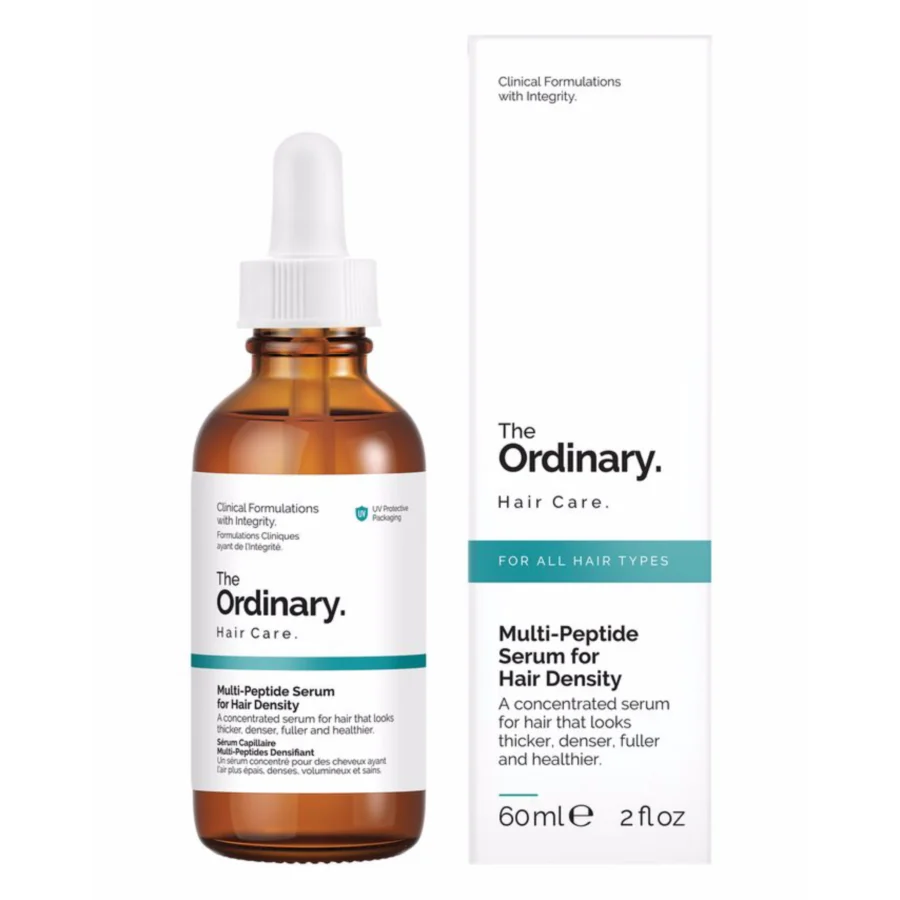
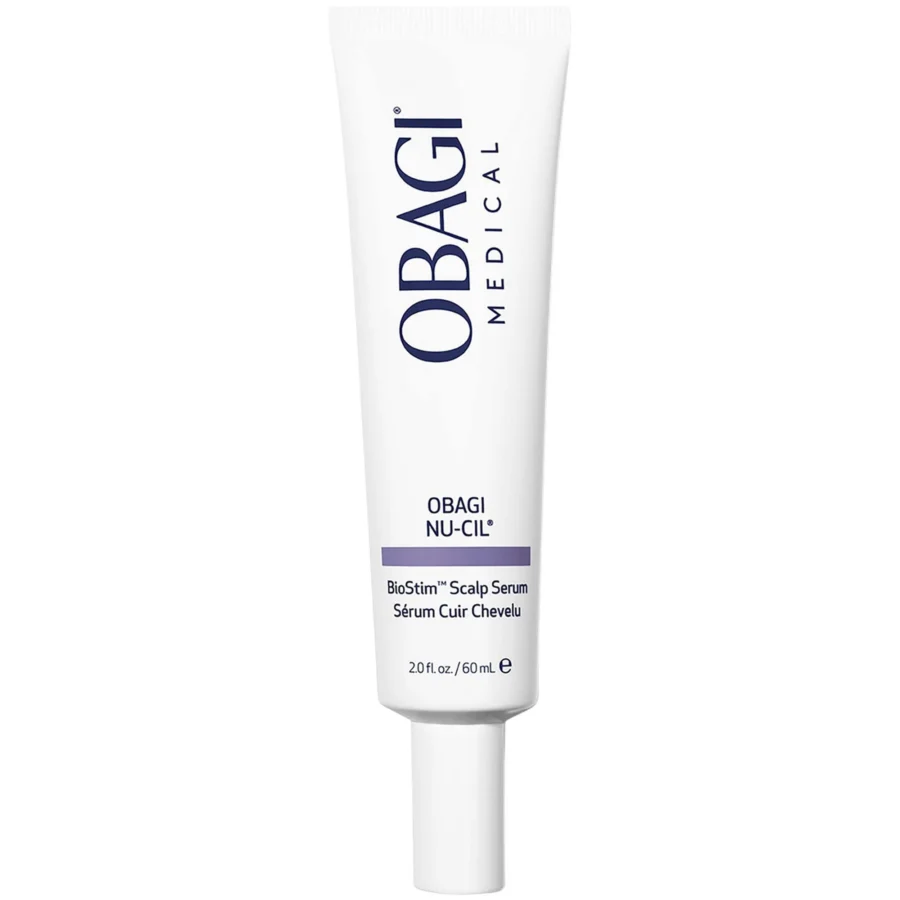
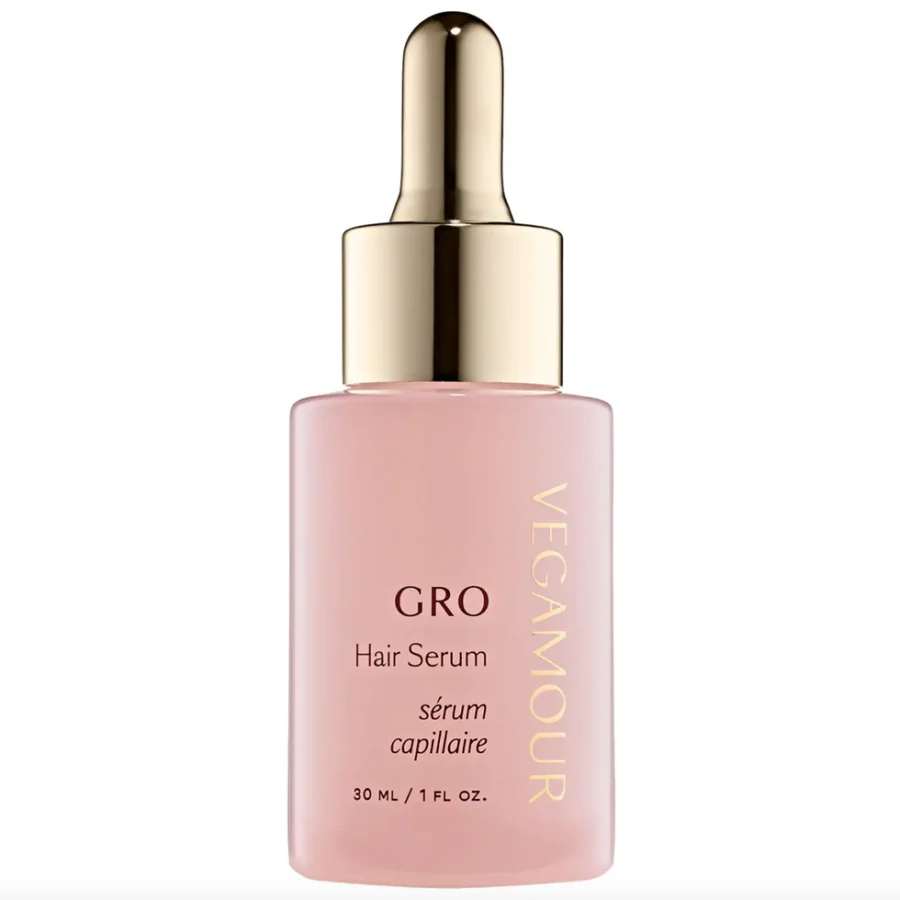
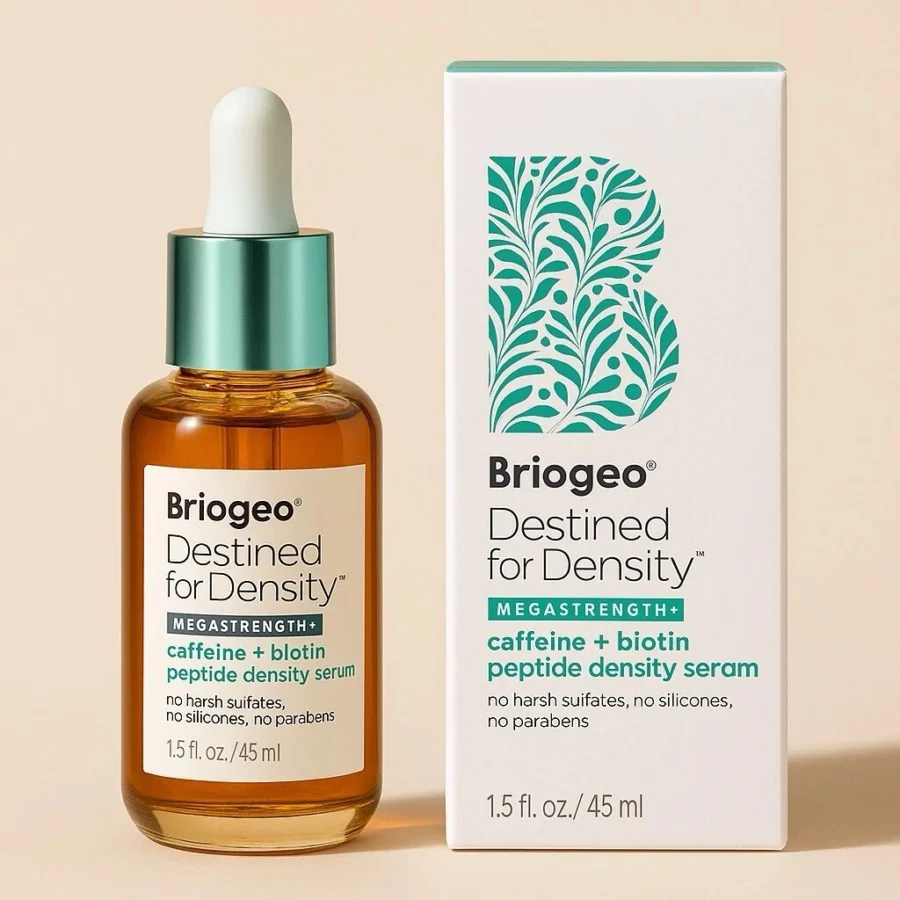
These peptide hair treatments cover different budgets, textures and treatment zones. The grid is intentionally balanced at eight products: four across the first desktop row and four across the second.
How to choose the right format
| Your priority | Look for | Routine note |
|---|---|---|
| Fuller-looking roots | A lightweight scalp serum with a precision dropper or nozzle | Apply to the scalp, not the hair surface, and follow the brand’s frequency. |
| Fine hair that gets flat | Fast-drying, non-oily texture | Start with a small amount; more product does not mean faster results. |
| Bleached or heat-stressed lengths | A peptide repair treatment designed for the hair fiber | Keep scalp serum and length treatment as separate steps. |
| Sensitive or reactive scalp | Shorter ingredient list and minimal fragrance where possible | Patch test and stop if irritation develops. |
How to use a peptide scalp serum without overdoing it
- Read the exact directions. Some formulas are designed for nightly use; others specify once daily or a particular amount.
- Start on a clean, dry or towel-dried scalp as directed. Heavy buildup can make precise application difficult.
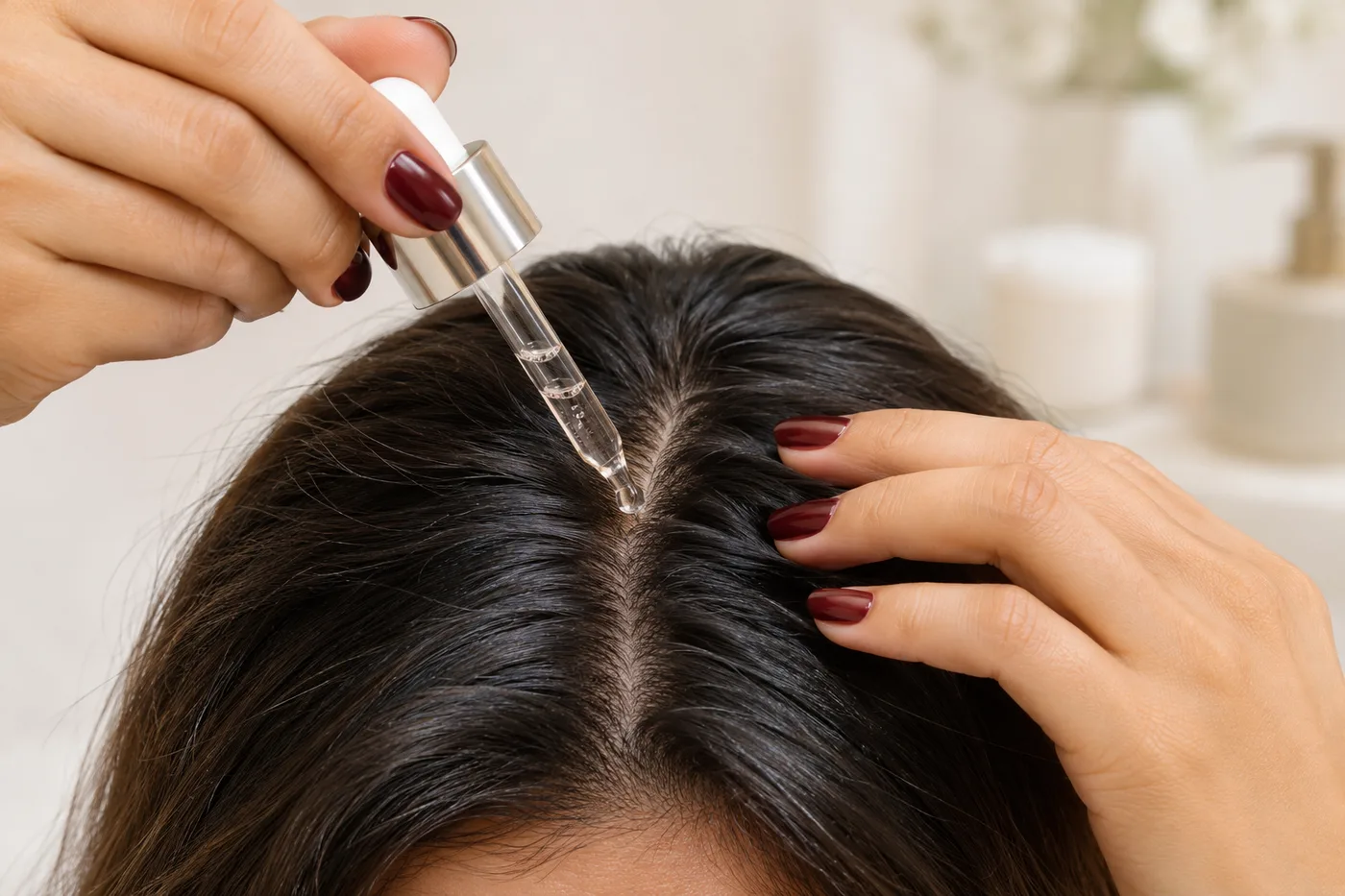
- Create several narrow parts. Place a few drops along each section instead of saturating one spot.
- Press or massage gently with clean fingertips. A brief, light massage is enough; aggressive rubbing can tangle fine roots.
- Let it dry before hats or pillows. This also helps you judge whether the texture works with your styling routine.
- Keep the routine simple. Introduce one new leave-on at a time so you can identify the source of irritation.
Peptide serums require patience. Avoid switching products every few days, but do not wait out persistent burning, itching or flaking. Stop use and seek professional advice if the reaction continues. Sudden shedding, patchy loss, scalp pain or other concerning changes deserve evaluation by a qualified clinician rather than a cosmetic shopping experiment.
What peptide hair treatments can—and cannot—do
A well-chosen product can support a polished routine: scalp serums may condition the scalp and help hair look fuller, while fiber-focused treatments may improve the feel, smoothness and manageability of damaged lengths. Those are reasonable cosmetic expectations.
They cannot guarantee regrowth, reverse every form of hair loss or replace diagnosis. Also remember that two peptide products may have almost nothing else in common. Compare the treatment zone, supporting ingredients, fragrance, texture and application schedule before deciding.
Peptide hair treatment FAQs
Can I use a peptide hair serum every day?
Only if the product directions recommend daily use and your scalp tolerates it. Begin with the stated amount rather than adding extra drops.
Do peptide scalp serums make hair greasy?
Many are water-based and lightweight. Still, the finish varies. Fine hair often does best with a small amount placed directly on the scalp and allowed to dry fully.
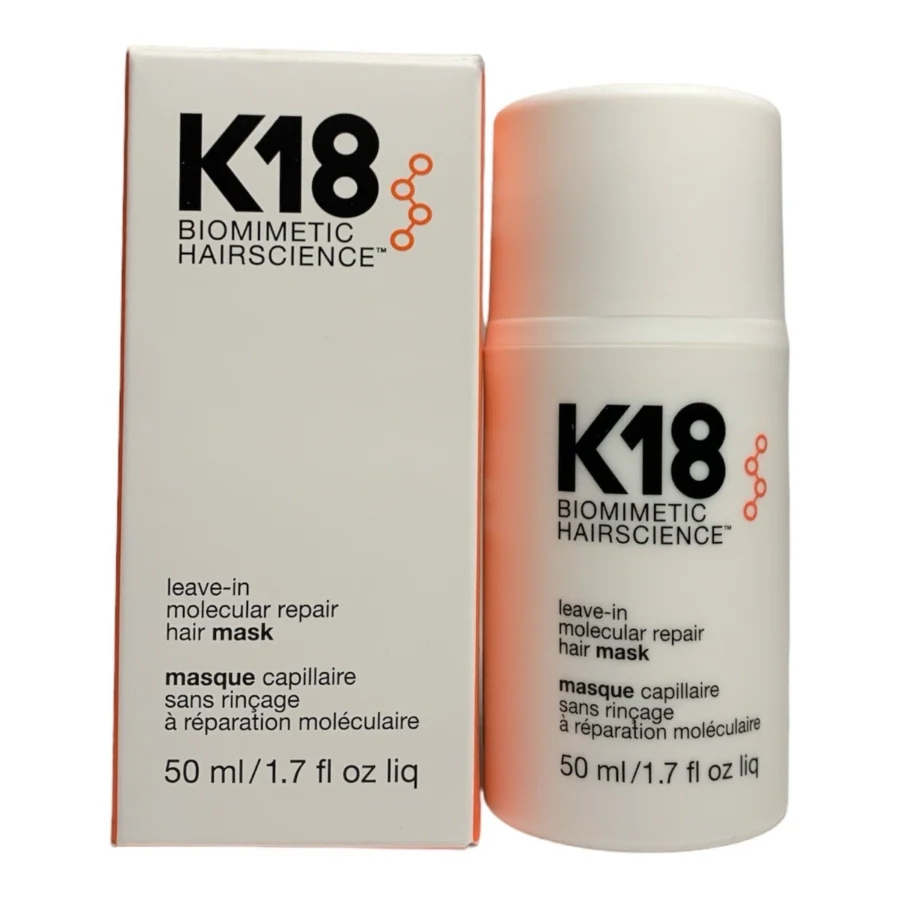
Can I use a scalp serum and K18 in the same routine?
They target different areas: apply a scalp serum to the scalp and use K18 on the lengths according to its instructions. Avoid mixing them together in your hand.
How soon should I expect a visible difference?
There is no universal timeline. Therefore, follow the brand’s directions and judge cosmetic changes over consistent use. Be skeptical of instant or guaranteed regrowth claims.
Should I patch test a scalp serum?
Yes, especially if your scalp is sensitive or the formula includes fragrance, essential oils or several active ingredients.
The bottom line
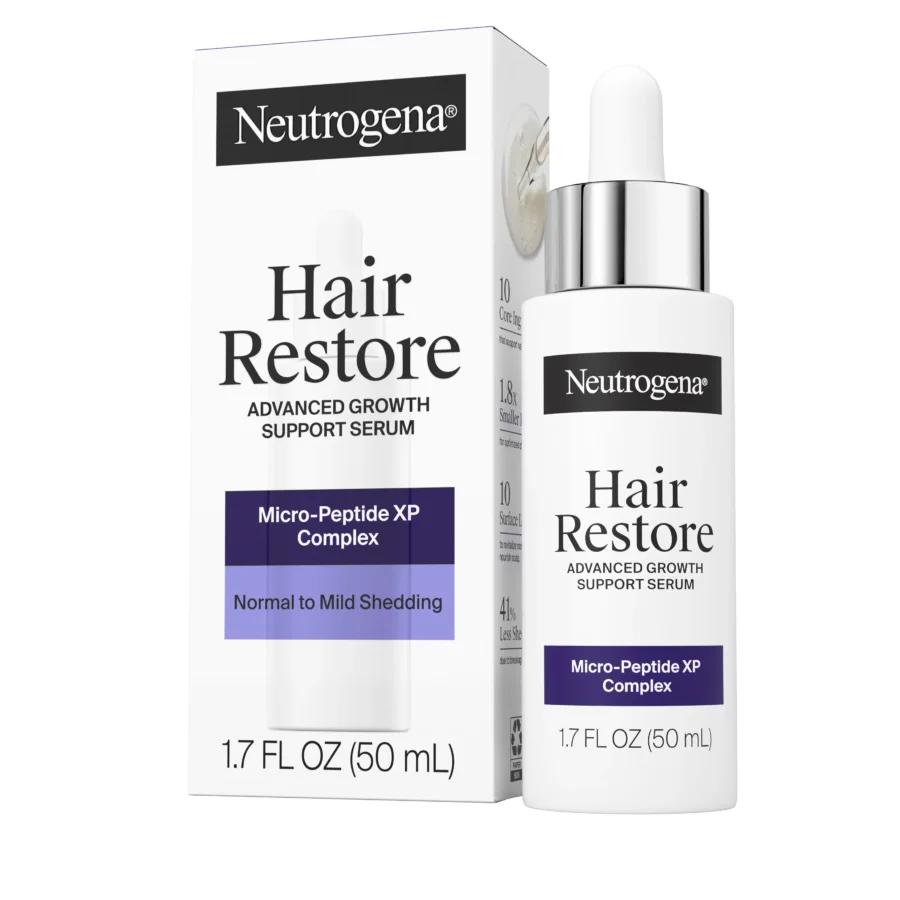
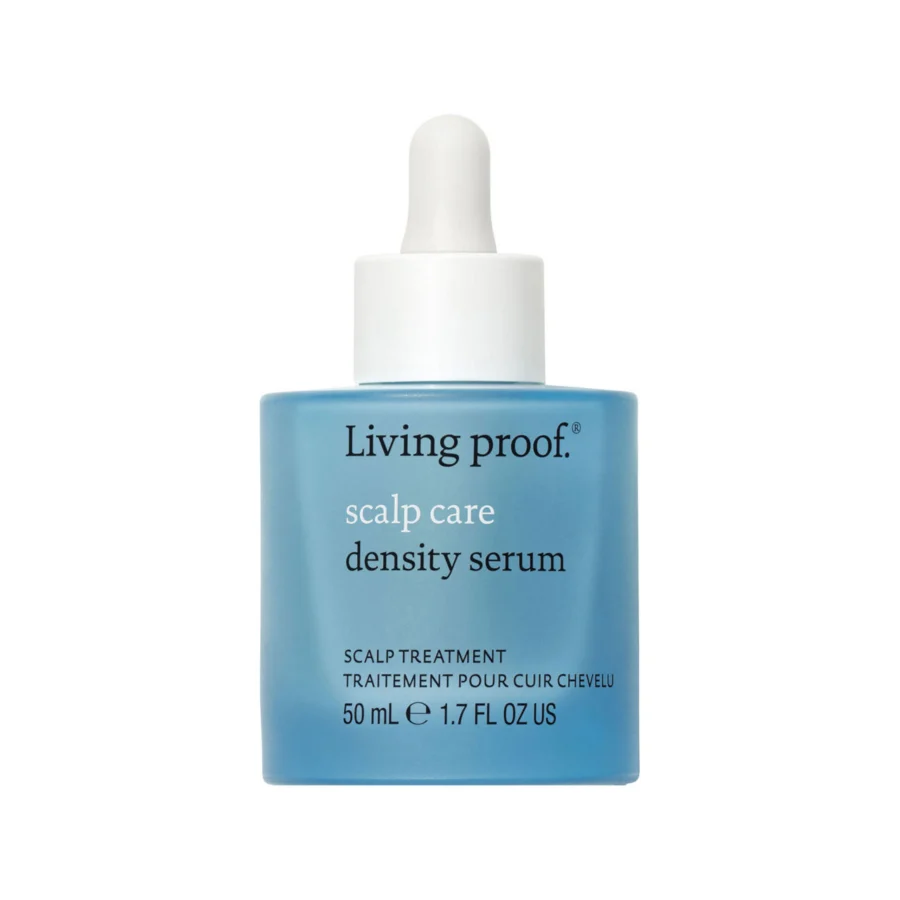
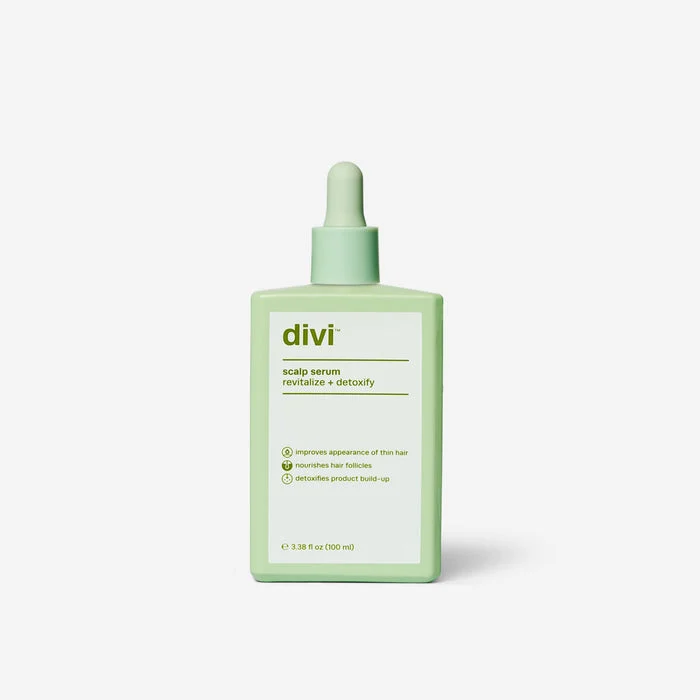
The best peptide hair treatment is the one matched to the correct zone and used consistently: scalp serum for the roots, repair mask for damaged lengths. The Ordinary and Neutrogena offer approachable starting points; Briogeo and Divi build more layered scalp-care formulas; Living Proof suits readers prioritizing a light finish; and K18 fills a different role for processed lengths.
Finally, choose one route, follow the label and keep expectations grounded. A calm, repeatable routine usually serves hair better than stacking every trend at once.