Fall 2026 ingredient edit
Azelaic acid skincare for fall 2026 has moved into the ingredient-search spotlight. The useful way to shop the trend is not to collect every bottle: it is to choose one formula whose texture, supporting ingredients, and place in your routine make sense.
This guide compares eight current Amazon options across lightweight serums, a suspension, a cream-gel booster, and derivative-based formulas. It focuses on practical differences rather than promising overnight results. Skin can react differently to any active, so introduce one product at a time, follow its label, and stop if irritation persists.
Affiliate disclosure: As an Amazon Associate, My Trusty Pal earns from qualifying purchases.
Why azelaic acid is trending now
Recent Amazon beauty-search reporting shows shoppers moving toward ingredient-led research, with azelaic acid entering the platform’s top 100 beauty searches. That signal fits a broader preference for products that explain what they contain and how they fit into a routine. Still, a popular ingredient is not automatically the right ingredient for everyone. The formula around it—and how consistently you can use it—matters just as much as the percentage printed on the package.
8 azelaic acid skincare picks to compare
These eight products were selected from current Amazon listings with exact ASINs verified at publication. Prices, availability, and packaging can change, so use the linked product page as the current source of truth.
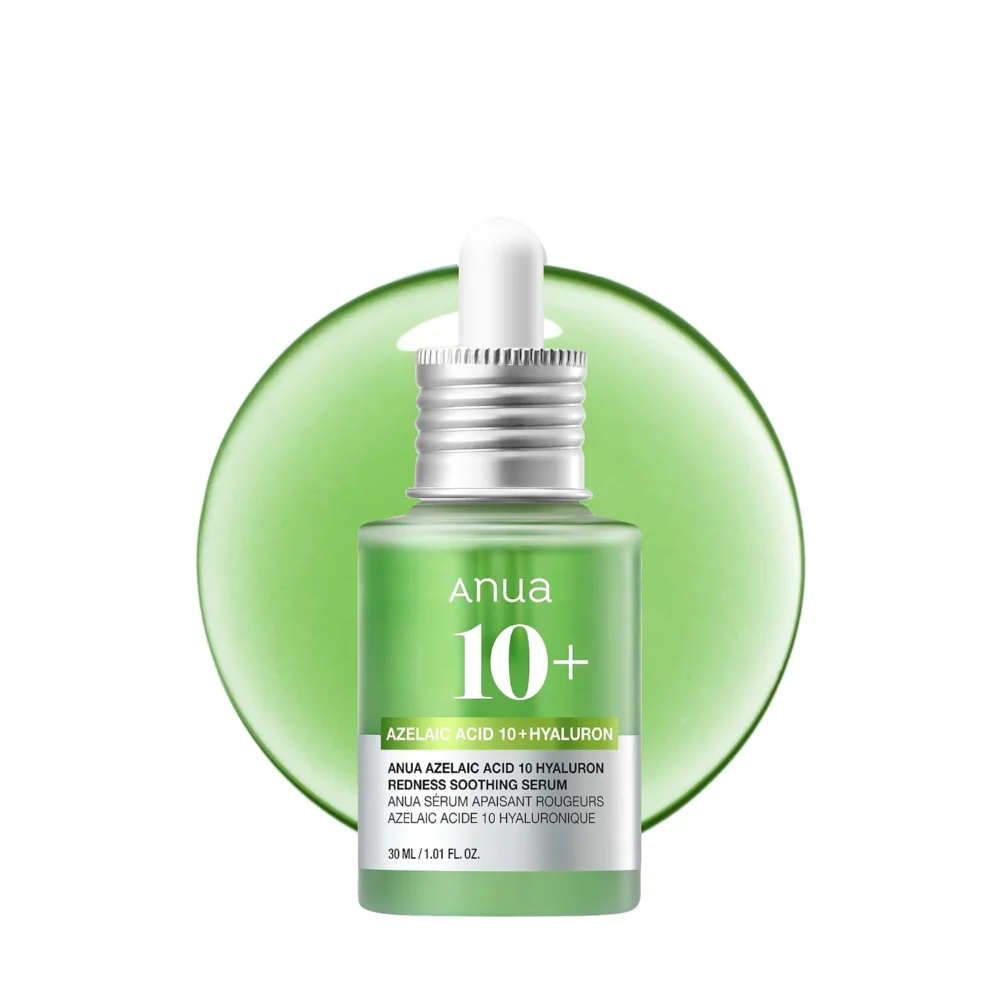
1. Anua Azelaic Acid 10 Hyaluron Redness Soothing Serum
Best for: shoppers who want a K-beauty serum format with hyaluron named in the formula.
The dropper presentation makes this an intuitive choice for a serum-first routine. Keep the rest of the layers quiet while you learn how it feels on your skin.
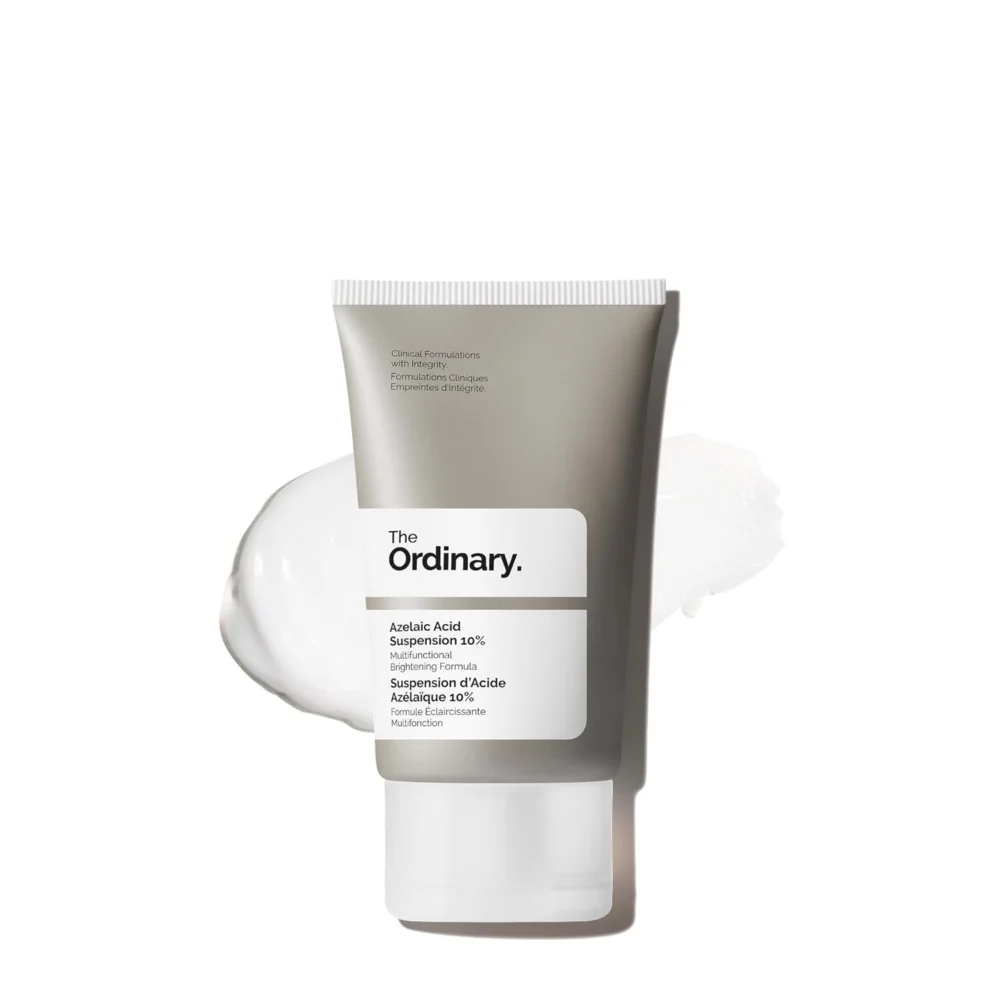
2. The Ordinary Azelaic Acid Suspension 10%
Best for: anyone who prefers a cream-like suspension instead of a watery serum.
This familiar tube offers a different finish from the dropper bottles in the list. Apply a modest amount and test how it sits with moisturizer and makeup before adding more.

3. Naturium Azelaic Acid Derivative Complex 10% Serum
Best for: shoppers specifically comparing an azelaic acid derivative complex.
The pump format helps keep application measured and tidy. Because derivative complexes are not identical to classic azelaic formulas, compare the complete ingredient list rather than percentage alone.

4. Paula’s Choice BOOST 10% Azelaic Acid Booster
Best for: those who like a cream-gel booster that can slot into a flexible routine.
This option makes sense if texture and layering are your deciding factors. Try it in one consistent place in the routine instead of changing the application order every day.
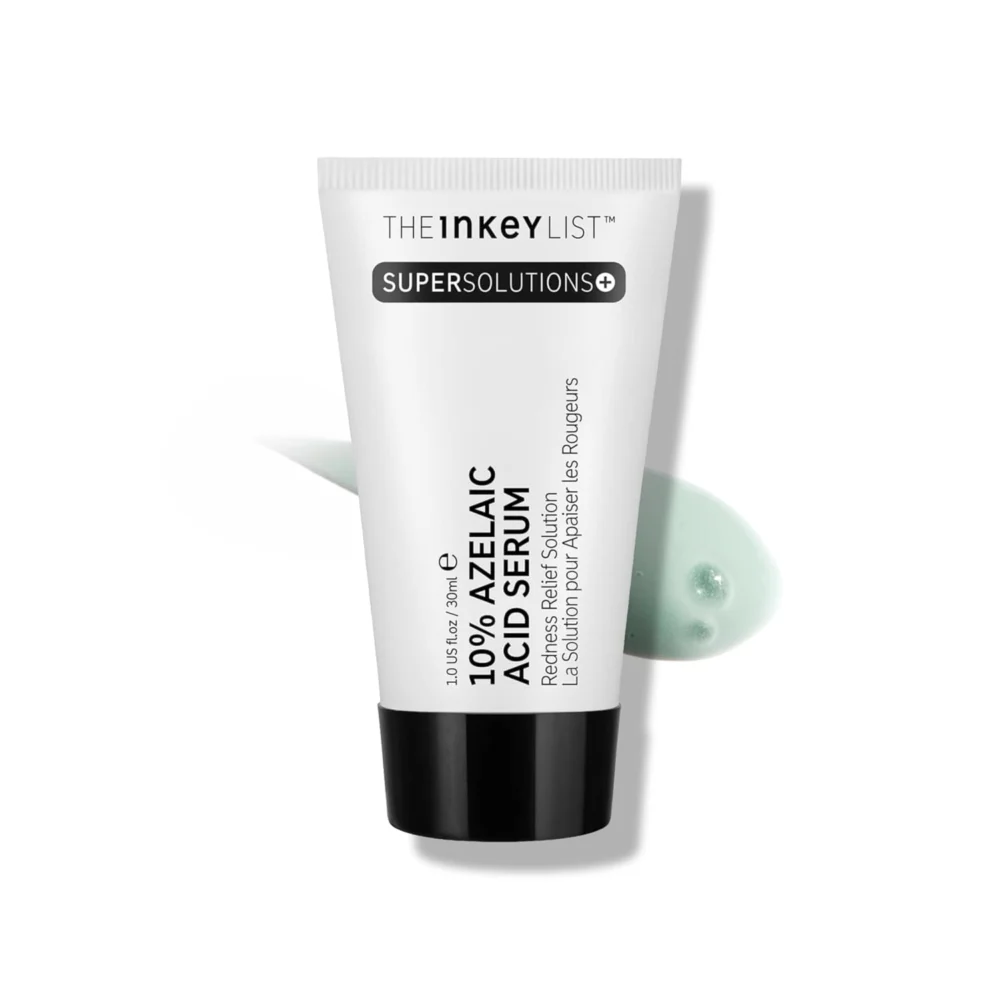
5. The INKEY List SuperSolutions Azelaic Acid 10% Serum
Best for: a streamlined, tube-based serum step.
The compact packaging suits routines where you want a clearly defined treatment layer without a dropper. Start with the amount suggested on the listing and resist the urge to compensate with extra product.

6. Peach Slices Redness Relief 10% Azelaic Acid Serum
Best for: K-beauty shoppers who prefer a classic dropper serum.
This is another lightweight-looking format to compare with Anua. Let the formula settle before the next layer, and judge the whole routine by comfort rather than by how many actives it contains.
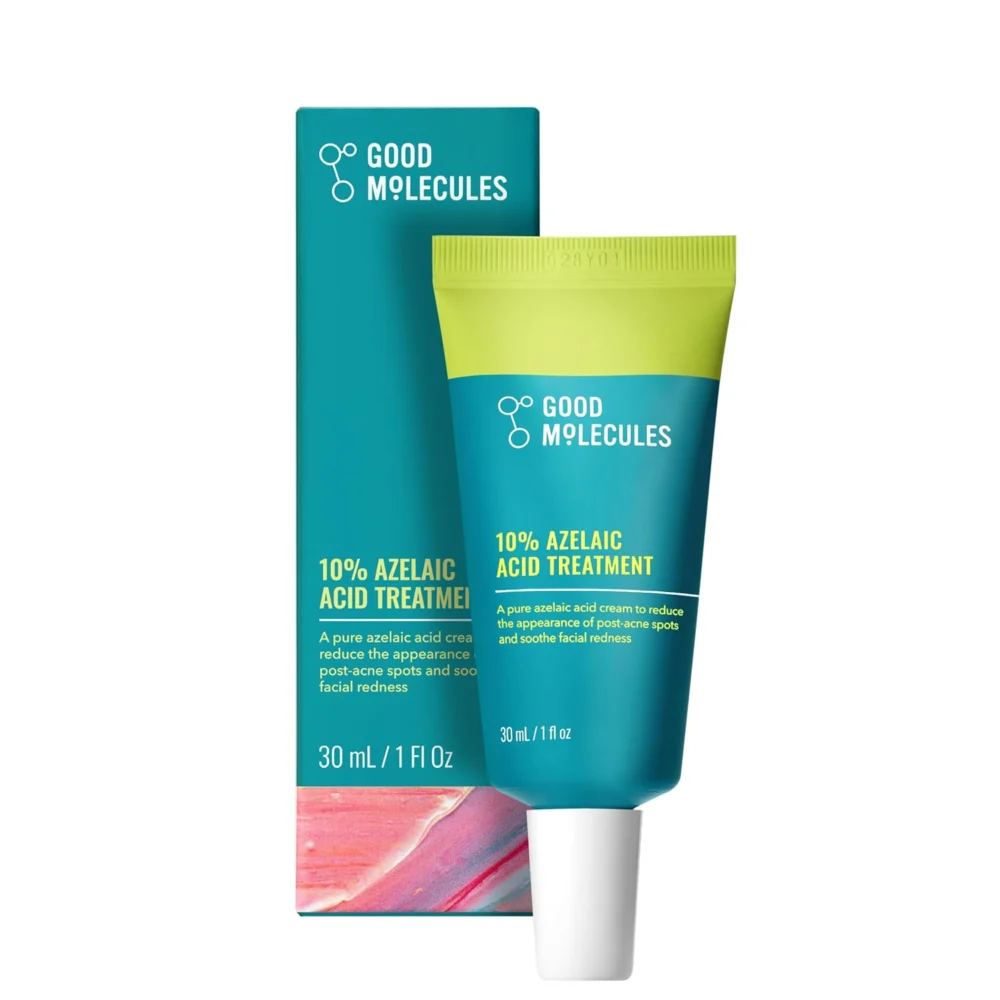
7. Good Molecules 10% Azelaic Acid Treatment
Best for: shoppers who want a straightforward tube treatment.
The packaging is simple and travel-friendly. Read the current label for use directions, then pair it with a dependable cleanser and moisturizer rather than redesigning the entire routine at once.
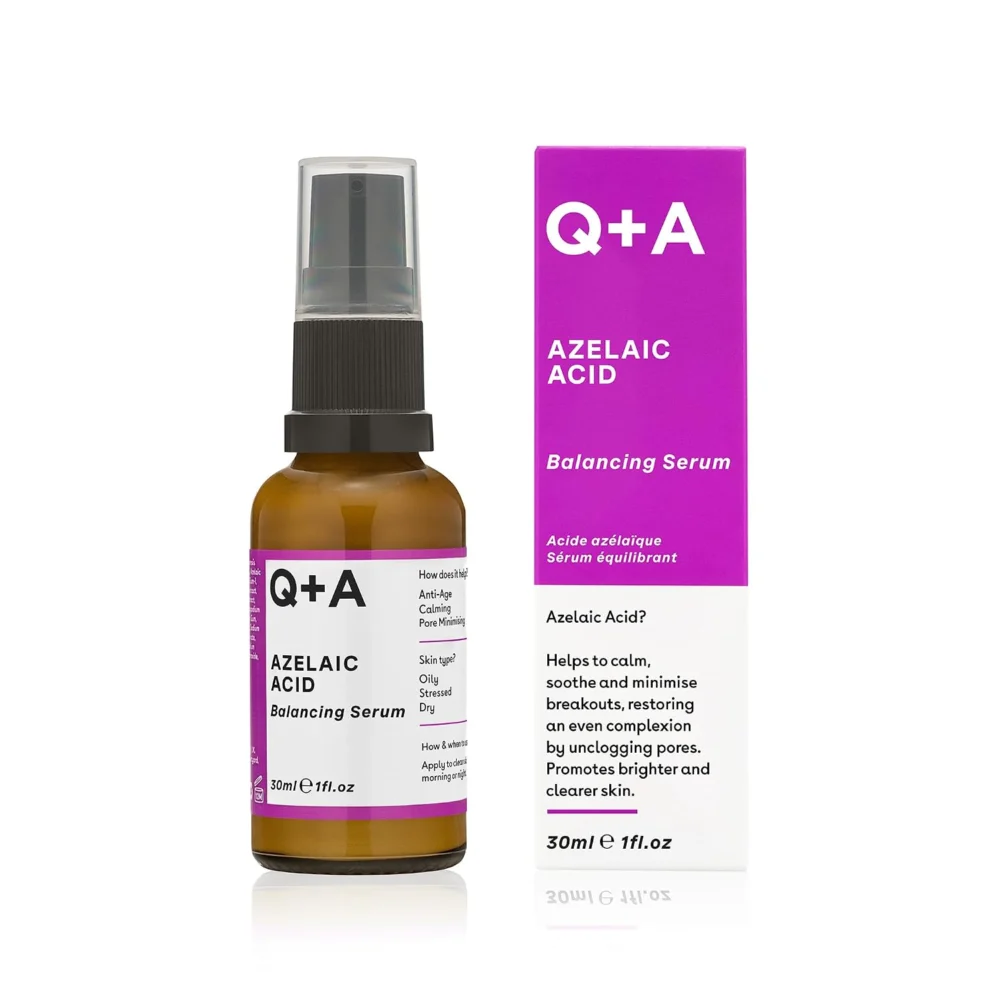
8. Q+A Azelaic Acid Balancing Serum
Best for: a no-fuss squeeze-tube serum option.
This formula rounds out the list with another alternative to a glass dropper. Compare the complete ingredient list with your known sensitivities and keep the first few applications conservative.
How to add one azelaic acid product to your routine
- Keep cleansing gentle. Start with a non-stripping wash. If your current cleanser already feels comfortable, do not replace it merely to match a trend. Our guide to gentle face cleansers explains what to compare.
- Patch test the exact formula. Test a small amount according to the label before using it across the face. A percentage alone cannot predict how your skin will respond to the complete product.
- Begin at a measured pace. Unless the brand says otherwise, a few applications per week may be easier to evaluate than an immediate twice-daily routine. Increase only if your skin remains comfortable.
- Use one active experiment at a time. If you also use exfoliating acids, retinoids, or strong vitamin C, separate new introductions so you can identify what causes dryness or discomfort.
- Finish with moisture and daytime sunscreen. A familiar moisturizer helps simplify the test period. If cooler weather has changed your comfort level, compare the textures in our fall barrier cream guide.
A simple decision rule
Choose the texture you will use consistently, confirm that the rest of the ingredient list suits you, and give that single product a fair trial. More bottles do not create a more disciplined routine.
How to compare formulas without overthinking
Serum, suspension, or booster?
A thin serum can be convenient under moisturizer, while a suspension or cream-gel may feel more like a finishing treatment layer. Neither format is universally better. Consider pilling, the finish under sunscreen or makeup, and whether the package dispenses an amount you can repeat.
Classic azelaic acid or a derivative complex?
Those terms are not interchangeable. Read the product page and package carefully, especially if a formula emphasizes a derivative. Compare the complete ingredient deck, not just a large percentage on the front.
What should stay unchanged?
Keep your cleanser, moisturizer, and sunscreen familiar while evaluating a new active. A calm baseline makes it easier to understand what the new step contributes. If you want a separate hydrating support product, the peptide serum guide can help you compare options—but add it at a different time, not on the same first night.
Frequently asked questions
Can azelaic acid be used every day?
Some labels support daily use, but the right frequency depends on the formula, your routine, and your skin’s response. Follow the specific product directions and build up only when comfortable. Persistent burning, swelling, or irritation is a reason to stop and seek professional advice.
Is morning or evening better?
Either may work when the product directions allow it. Choose the time when you can keep the surrounding steps consistent. Daytime routines should end with broad-spectrum sunscreen.
Can it be layered with retinoids or exfoliating acids?
Complex active combinations can be irritating, even when each product is reasonable alone. Introduce azelaic acid separately, then consider alternating days or routines. If you are treating a skin condition or using prescription products, ask a qualified clinician how to combine them.
Do higher percentages always work better?
No. Concentration is only one part of a formula. The base, supporting ingredients, application amount, and consistent use all shape the experience. A tolerable product you can use as directed is more practical than a stronger one that repeatedly disrupts your routine.
The takeaway
Azelaic acid skincare for fall 2026 is a useful trend only when it leads to a thoughtful, repeatable routine. Compare texture and ingredient context, choose one of these eight verified options, patch test, and give your skin time to respond before changing another variable.
To browse the site’s current beauty-shopping hub, visit My Trusty Pal’s Amazon deals section. Products featured here are not described as having a coupon unless the live listing confirms one.